Source Cup Holder Solutions for Home, Office, and Car Use
Explore 30 verified cup holder listings from China. Compare options for home, office, and automotive applications. Find plastic and ABS models with customization support, various sizes, and OEM logo acceptance to meet your specific storage needs; compare the available evidence and request quotations based on your requirements.
Key considerations
Products List

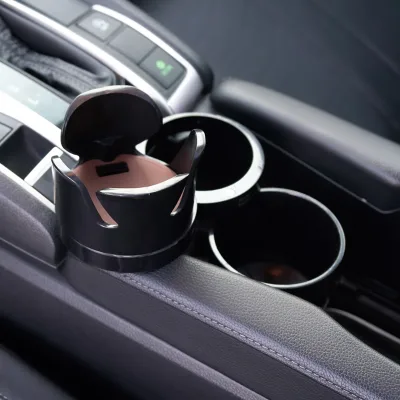


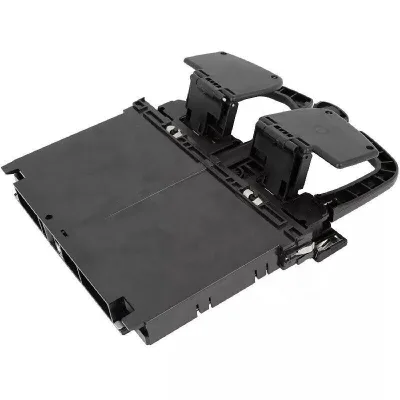
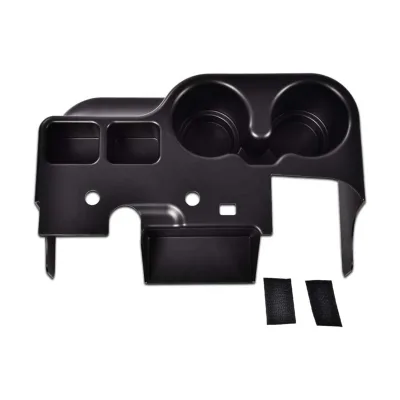


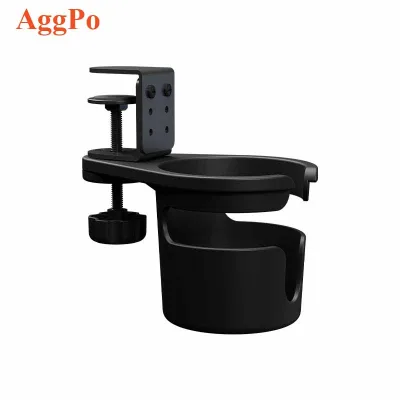




Comprehensive Sourcing Guide
Cup Holder Sourcing Guide
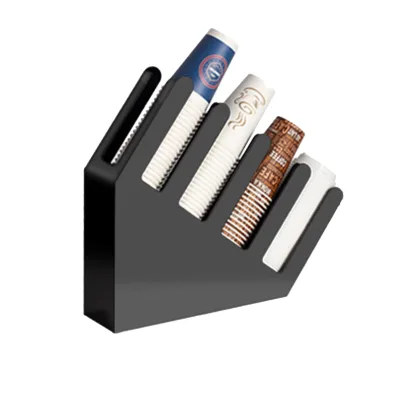
Buyers must first distinguish between stationary storage solutions and automotive integration units, as the supplied data reveals distinct product categories with different operational requirements. The market offers dedicated cup storage stands designed for home or office environments, characterized by specific dimensions like 415x210xH210mm and multi-layer configurations, while other listings focus on vehicle-specific accessories such as folding center console holders. Understanding this fundamental split is critical before initiating any procurement process, as the intended application dictates the necessary material durability and mounting mechanisms.
Procurement strategies should also account for the significant variance in minimum order quantities observed across different product types, ranging from single units to thousands of pieces. Some suppliers list a minimum order of just one piece for specific folding models, whereas others require a substantial commitment of 1000 pieces for standard storage units. This disparity directly impacts inventory planning and cash flow, requiring buyers to align their order volume with their specific distribution needs and to verify if the supplier can accommodate mixed orders or flexible scaling without compromising unit economics.
Product Scope and Observed Listing Signals
The product landscape includes both fixed-position storage stands and dynamic vehicle accessories, each serving unique functional niches within the broader cup holder category. Listings indicate the availability of four-layer stands suitable for tableware organization in home or office settings, alongside specialized automotive items designed for front seats or center consoles. Buyers should carefully review the stated usage and placement details to ensure the selected item matches the physical constraints of the target environment, as a unit designed for a car console may not function effectively as a standalone desktop organizer.
Visual and branding attributes also vary significantly, with some products offering custom logo acceptance while others are listed with no branding options. The observed color palette ranges from standard black to coffee tones, and design styles are described as brief and single-color, which influences the aesthetic integration into existing spaces. When evaluating listings, purchasers must verify if the "No Logo" designation is a permanent feature or if the supplier can accommodate branding requests, as this distinction affects the final product's suitability for private label distribution or corporate gifting programs.
Technical Specifications to Verify
Dimensional accuracy is a primary verification step, as the supplied data highlights specific standard sizes like 48.513.526.5cm and 40X30X20 cm for single packages. Buyers must confirm that the physical footprint of the cup holder aligns with the available space in the intended application, whether it is a vehicle console or a kitchen counter. The model numbers provided, such as BR5589 and Unique-2501, serve as unique identifiers for these specific configurations, and relying on these codes ensures that the ordered unit matches the exact specifications required for the project.
Material composition and structural integrity are equally critical, with listings specifying materials like ABS plastic and general plastic formulations noted for their durability. The data suggests that some products are engineered to be more endurable than alternative materials, a claim that requires validation through sample testing before bulk ordering. Procurement teams should request detailed material data sheets to confirm the specific grade of plastic used, ensuring it can withstand the thermal and mechanical stresses associated with holding hot beverages or frequent vehicle movement without degrading over time.
Compliance and Safety Documentation
While the provided facts do not explicitly list specific certification numbers, buyers must verify that all plastic components meet relevant safety standards for food contact and automotive use. Since the products are intended for holding beverages, compliance with food-grade material regulations is essential to prevent chemical leaching into hot or cold drinks. Buyers should request proof of compliance from the supplier, ensuring that the plastic used in the manufacturing process adheres to international safety norms for materials that come into direct contact with consumables.
For automotive applications, additional safety considerations regarding flammability and impact resistance become paramount, particularly for items installed in the front seats or center console. The placement of these holders in vehicles exposes them to varying temperatures and potential impacts, necessitating verification that the product design meets automotive safety requirements. Procurement teams should ensure that the supplier can provide documentation confirming the product's ability to withstand these environmental conditions without posing a safety risk to vehicle occupants.
Cost Drivers and Commercial Terms
Pricing structures in this category are influenced heavily by the minimum order quantity and the level of customization required, with observed ranges spanning from $0.01 to $19 per unit. The significant difference in MOQs, from single items to 10,000 pieces, creates a tiered cost structure where larger orders typically yield lower unit prices but require greater upfront capital. Buyers must calculate the total landed cost, including shipping and potential tariffs, to determine the true economic viability of sourcing from different suppliers, especially when balancing the need for customization against the cost of higher volume commitments.
Lead times and packaging specifications also play a crucial role in the overall commercial terms, with some suppliers indicating a lead time of 15-30 days and others offering standard packaging. The choice between export cartons and color boxes affects both the shipping volume and the final presentation of the product to the end consumer. Buyers should negotiate clear terms regarding packaging customization and delivery schedules to avoid delays, ensuring that the supply chain remains responsive to market demands while maintaining cost efficiency through optimized logistics.
Supplier Qualification and Quality Control
Supplier location is a key factor in the sourcing strategy, with the majority of observed listings originating from Guangdong and Zhejiang provinces in China. These regions are known for their manufacturing capabilities in plastic goods, but buyers must verify the specific factory's capacity to maintain consistent quality across large production runs. Establishing a relationship with a supplier that has a proven track record in the specific sub-category, such as automotive accessories or home storage, helps mitigate the risk of receiving substandard products that do not meet the required specifications.
Quality control protocols should be rigorously defined before production begins, focusing on the consistency of dimensions, material strength, and finish quality. Given the variation in product models and the potential for customization, buyers should implement a pre-shipment inspection process to verify that the finished goods match the approved samples. This step is essential to ensure that the final products, whether they are four-layer stands or folding car holders, meet the functional and aesthetic expectations set forth in the initial procurement agreement.
Long-Term Procurement Checks
Sustainability and supply chain resilience are critical considerations for long-term procurement success, requiring buyers to monitor the supplier's ability to maintain consistent material sourcing and production capacity. As market demands shift, the supplier must demonstrate flexibility in adapting to new design requirements or volume fluctuations without compromising the quality of the cup holders. Establishing a long-term partnership involves regular performance reviews to ensure that the supplier continues to meet the evolving needs of the business and the end consumers.
Continuous improvement in product design and functionality should be a shared goal between the buyer and the supplier, driven by feedback from the market and technological advancements. Buyers should encourage suppliers to innovate in areas such as material durability and ergonomic design to keep the product line competitive. By maintaining open communication and setting clear expectations for future development, procurement teams can ensure that the cup holder products remain relevant and high-quality over the long term, securing a stable supply chain for years to come.
FAQs
What customization options are available for cup holders?
Customization is available for cup holders, allowing buyers to request specific sizes and colors. Some models support custom logos and OEM branding. The design style can be adjusted to single color or brief patterns. Buyers should confirm the exact requirements with the supplier to ensure the final product matches their brand identity and functional needs.
Can cup holders be used in both home and office settings?
Yes, certain cup holders are designed for home and office usage. These items often feature a simple design style with no pattern, making them versatile for various environments. They function primarily as holders only, ensuring stability for beverages. This dual-purpose utility makes them suitable for desks, kitchens, or living rooms where convenient storage is needed.
What is the typical lead time for cup holder orders?
The typical lead time for cup holder orders ranges from 15 to 30 days. This duration allows manufacturers to process customizations and standard production runs. Buyers should account for this timeframe when planning inventory. Expedited options may vary, so confirming the exact schedule with the supplier is recommended to align with project deadlines and stock requirements.
Which materials are commonly used for car cup holders?
Car cup holders are commonly made from plastic or ABS materials. These materials are chosen for their durability and ability to withstand daily use. Some products are described as more enduring than other materials. The choice of material ensures the holder remains stable and functional within the vehicle's center console or seat area over time.
What are the standard packaging options for cup holders?
Standard packaging options include export cartons, color boxes, and single packaging. Some items are packed at 12 pieces per carton for efficient shipping. The packaging is designed to protect the product during transit. Buyers can often choose between standard or custom packaging solutions depending on their retail or distribution requirements and logistical preferences.
How does the MOQ vary for different cup holder models?
The minimum order quantity varies significantly across different cup holder models. Some items have an MOQ of 100 pieces, while others require 1000 pieces. Certain suppliers may accept orders as low as one piece. Buyers should check the specific MOQ for each model to ensure it aligns with their purchasing volume and budget constraints.